
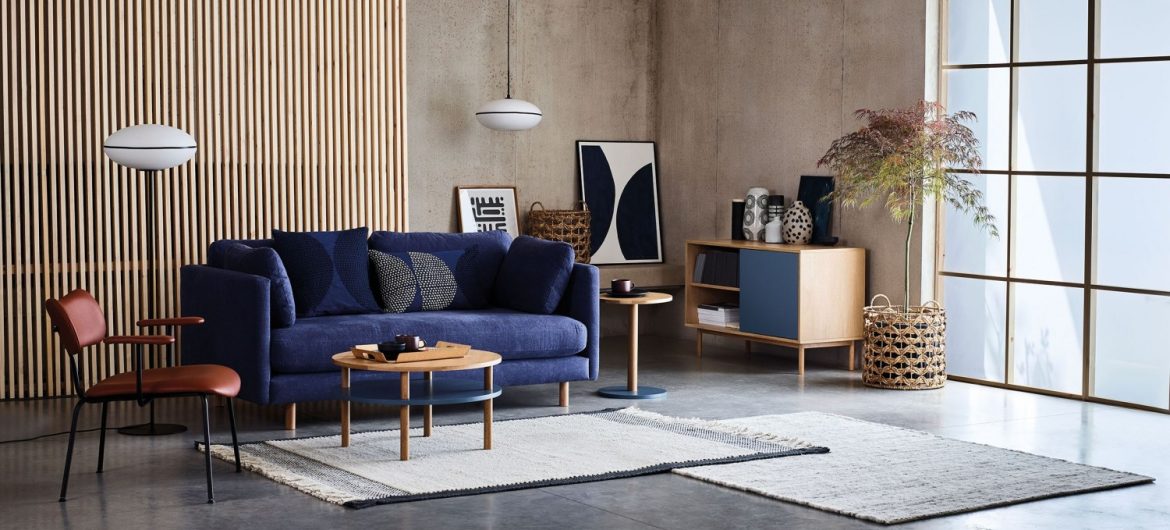
The perfect mixture of Japanese and Scandinavian vibes, right into your home!
Japandi word is the fusion between Japanese and Scandinavian words and worlds. It’s a rising design trend and philosophy which blends both styles in a beautiful way.
Clean, calm and harmonious, the blending of Japanese and Scandi designs is increasingly sought-after.

The blend comes easily: they might be over 9000 kilometres apart, but both cultures share a very similar aesthetics and design, based on minimalism, on a quiet appreciation of beauty in the functional, and a subtle and serene approach to life.
Aspects of the Scandi notion of ‘hygge’, (the Nordic term for the homely feeling of cosiness), and Japanese ‘wabi-sabi’, (finding beauty in imperfection) harmonise to create a stress-free atmosphere. Japandi is a good fit with hectic modern lifestyles, because these pieces allow people to create a clean, calm environment in which they can truly unwind.


And interestingly, it’s also their differences that help make this mash-up especially interesting. While Japanese spaces can get overly sleek, the rustic details in Nordic design add variance. Where Scandinavian interiors often have a tendency to be so neutral they can appear antiseptic, the rich color palette (and the use of living plants) in Japanese design gives the room more warmth.
How to apply Japandi to your home?
Most Japandi rooms start with a darker base, usually a neutral shade, which gives subtle sophistication to the space. The contrast is then created through incorporating a mix of light woods and stark, black hues. Even the accents are usually monochromatic. However, a few vibrant colors can be added through natural sources such as house plants.


After the colour base, lets see the furnishing! While both furniture Scandi and Japanese styles are defined by clean lines and an emphasis on practicality and craftmanship, there are a few key differences in their furnitures. Scandinavian pieces are typically made of light woods and have a relaxed, almost farmhouse quality to them. Japanese furnitures, on the other hand, are a bit more refined. They often feature stained or painted woods and come in more elegantly curved shapes.


Using a mixture of both in your interior design allows you create this sense of harmonious contrast. Feel free to use a mix of wood tones in the space and incorporate pieces with both curved and straight lines. Doing so adds a unique sense of texture to the room, which helps make it visually interesting.
As both cultures believe in recycling and repairing the existing pieces, so does Japandi. In our modern-day throwaway culture Japandi stands out by stating that all old things can be repaired or can be reused in one way or another.
And by combining the best parts of Scandinavian and Japanese designs and philosophy, this look might just be the pinnacle of inviting simplicity. If you’re as enamored with this look as we are, keep this post close at hand. In our minds, it’s only a matter of time before we see Japandi looks everywhere!